
Emergency Dentist Jackson
Have Severe Dental Pain? Call Us Immediately

As soon as you realize you have a dental emergency, you need to put everything else on hold and call Lakeland Dental Care for an appointment. Ignoring the problem will only make it worse; you’ll need an expert’s help to put a stop to the pain and get your oral health back on track. As an emergency dentist in Jackson, Dr. Malley will make every effort to see you on the same day when you call our office with a dental emergency so that you won’t be left waiting for relief.
Why Choose Lakeland Dental Care for Emergency Dentistry?
- Same-Day Emergency Appointments
- Team That Does Everything In-House
- State of the Art Dental Technology
I Need a Checkup & Cleaning I am Worried About Gum Disease I Have a Cavity or Broken Tooth I am Missing One or More Teeth I Want to Improve My Smile I Want a Straighter Smile I am Scared of the Dentist I Have Pain in My Jaw View Our Services
How We Treat Dental Emergencies
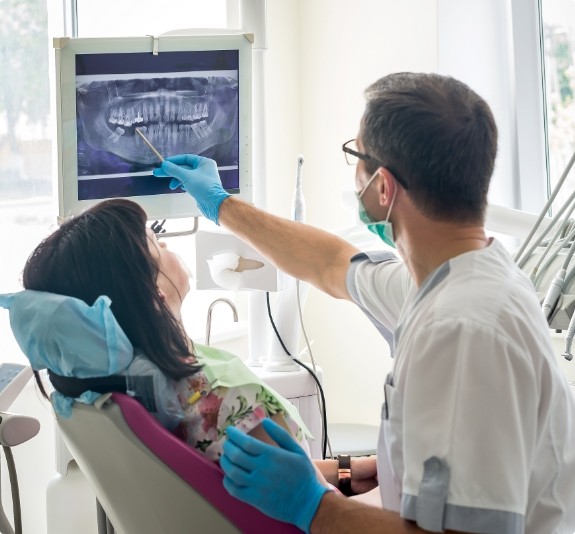
- When you call our office, we’ll ask about your symptoms, give you first-aid tips, and set up a same-day appointment.
- Once you arrive, we’ll perform a detailed examination of your oral cavity to narrow down exactly what the problem is.
- We’ll review the results of our examination with you and explain what treatment options are available. The estimated costs and expected treatment timeline will be given to you before you have to make any decisions.
- After a treatment has been decided on, all that’s left is to carry out your plan and get your mouth back to normal.
The Most Common Dental Emergencies
Dental emergencies are typically the result of either poor oral hygiene or physical trauma. No matter what form your emergency takes, our team is here to help! Below are examples of some of the most common emergencies that we can treat. We encourage you to call even if you’re not sure that you need emergency care; it’s always best to get a professional’s opinion on how you should handle tooth pain or dental damage.

Toothaches

Chipped
Tooth

Cracked
Tooth

Sensitivity to
Hot & Cold

Knocked-Out
Tooth

Broken
Denture

Loose
Tooth

Lost Filling
or Crown

Jaw Pain or
Clenching

Something Stuck
Between Teeth
Understanding the Cost of Dental Emergencies

Different emergencies call for different types of treatment, so the cost of emergency dental care can vary significantly from patient to patient. Rest assured that our top priority is your oral health; when we recommend a given service, it’s because it’s the best option available for restoring and protecting your teeth and gums. Feel free to let us know if you have any questions or concerns about the cost of your care.
How to Prevent Dental Emergencies

While our team will always be here to help you when disaster strikes, it’s always best if you can prevent dental emergencies in Jackson. Not only will a prevention mindset save you money, but it will also prevent pain and keep your oral health in great shape. But what’s the best preventive strategy for you? Read more below to find some healthy habits that will minimize your risk of a dental emergency.
Visit Your Dentist Regularly

There are several foundational aspects of a great oral health strategy, and the first is regular dental visits. By visiting our office twice a year for checkups and cleanings, our team can remove stubborn plaque and tartar and catch dental issues before they worsen. This means filling small cavities, checking for signs of gum disease, and ensuring there are no infections hiding beneath the surface of your smile.
Maintain Good Oral Hygiene Habits at Home
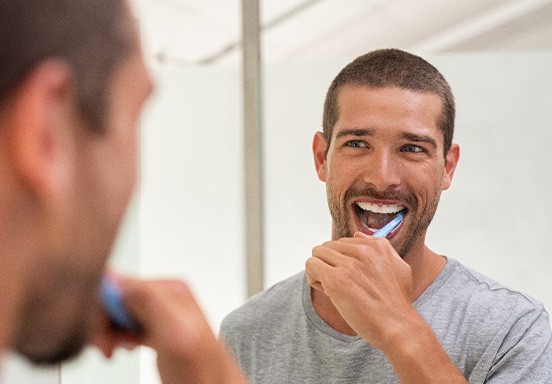
While checkups and cleanings are critical to keeping dental emergencies at bay, they’re not the only way to secure your smile. In fact, a great at-home routine is just as important. Ideally, you’ll want to brush twice a day with fluoride toothpaste and floss between each tooth daily. This simple, everyday care will keep plaque and bacteria from accumulating and causing decay or gum disease.
Be Careful With Your Diet

The foods and drinks you choose each day have a big impact on your dental health in many ways. Sticky candies, acidic sodas, and foods that are a bit too hard can all increase your risk of weakened enamel, cracks, and cavities. Try to moderate your intake of sugary snacks and instead reach for calcium-rich foods like cheese, yogurt, or leafy greens to keep your teeth strong. Drinking plenty of water also helps wash away food particles and bacteria that can cause damage over time.
Wear Mouth Protection
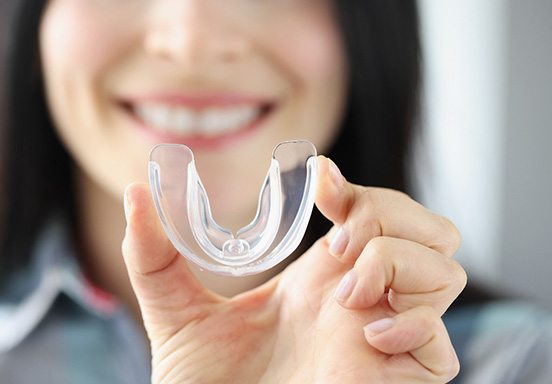
If you lead an active lifestyle or grind your teeth at night, a mouthguard is one of the easiest ways to avoid a dental emergency. Custom mouthguards protect your teeth from chips, cracks, and sudden impact during contact sports or high-energy activities. Meanwhile, nightguards cushion your smile, preventing bruxism from wearing down your pearly whites. Both are small investments that can save you from a big dental repair later on.
Use Tools, Not Teeth, to Open Packaging

Using your teeth to chew on pens, tear open packages, or remove bottle caps puts your smile at serious risk. These habits can easily lead to chips, cracks, or even fractured or knocked-out teeth. Try to keep scissors, bottle openers, and other gadgets in multiple rooms of your home, so you always have access to the right tool for any job. Protecting your teeth from unnecessary strain helps preserve your enamel and ensure you don’t need to give our team an unexpected call.
Dental Emergency FAQs
What if My Toothache Suddenly Disappears?
If your toothache suddenly disappears, you might assume that the root of the problem is gone, and you can cancel your upcoming appointment. That’s not the case! After all, your teeth cannot heal without the necessary restorative care. Not only that, but the change in symptoms is likely due to the nerve dying, which means there is only a small window of time left when the tooth can still be saved.
Should I Visit the Emergency Room First for Dental Emergencies?
Since most emergency rooms don’t have dentists on staff, we don’t recommend going there if your dental crown is loose, if there is a crack in your enamel, or if you’re struggling with a painful toothache. If that’s the case, your first call should be to our Jackson dental office. The only exception is if you’re experiencing any potentially life-threatening symptoms, like difficulty breathing or uncontrollable bleeding. If that’s the case, you should call 911 or head to the hospital right away.
How Can a Dental Abscess Be Treated?
If you notice a pimple-like bump on your gums, do NOT attempt to pop it. Instead, contact us ASAP to schedule an appointment with our emergency dentist in Jackson. The sooner you do, the sooner they can open and drain the abscess, safely removing pus from the area in the process. If needed, they will provide additional restorative care as well, like a root canal, to ensure the infection is truly gone.
Should You Put a Knocked-Out Tooth in Water?
Since water can damage the root surface cells, we do not recommend placing your tooth in it. That said, you can use water to gently remove dirt and other debris from the surface. When you’re done, place the tooth back in its socket or, if it doesn’t slide back into position easily, put it in a clean container filled with milk or saline solution.
Is It Safe to Repair Dentures with Superglue?
No, superglue should not be used to try to repair your dentures. There are a few reasons for this, including that this adhesive does not do well in damp environments, and it contains toxins that are not safe to ingest. So, if your restoration has a small chip, a severe crack, or it has shattered into several pieces, the best thing to do is call us so we can begin the process of having it repaired or replaced.
Is It Safe to Use A Toothpick?
If you have something stuck between your teeth, you might be tempted to reach for a toothpick. However, the sharp edge often pushes the debris further into place. Plus, the wooden ones can splinter and break off inside your mouth, irritating the soft tissue further. Ultimately, the best thing to do is rinse with warm saltwater a few times. Then, use some floss to gently clean between your teeth. If that doesn’t work, give us a call.